As electric vehicles (EVs) become more mainstream, retail locations are increasingly investing in EV charging infrastructure. This is not just about offering a service, but a strategic decision to attract more customers, enhance dwell time, and boost brand image. Installing EV charging stations can make your business stand out as an environmentally conscious leader, while simultaneously offering convenience to customers with electric vehicles. In this article, we will explore seven key considerations that retail property owners should keep in mind before installing EV charging infrastructure.
Consideration 1 — Foot Traffic & Dwell Time Impact
One of the primary reasons to install EV charging stations at your retail location is to increase foot traffic and encourage longer dwell times. EV owners often have longer charging times compared to traditional fueling, and this creates an opportunity for retail businesses to turn a waiting period into an engaging experience for customers.
Attracting More Customers
Providing EV charging stations allows customers to charge their vehicles while they shop, eat, or run errands, which increases the likelihood that they will stay longer and spend more. Research has shown that retailers with EV chargers are more likely to attract EV owners, particularly as the number of electric vehicles on the road continues to grow. As people wait for their cars to charge, they are more likely to explore the retail offerings, boosting both foot traffic and sales.
Enhancing Customer Experience
Offering EV charging is an excellent way to enhance the overall customer experience. Customers who own electric vehicles often prefer locations with charging stations, and providing this amenity can position your retail location as a preferred destination. This can lead to increased customer loyalty, which in turn translates into repeat business.
Consideration 2 — Choosing Between AC and DC Charging for Retail
When deciding to install EV charging infrastructure, one of the most important decisions is whether to choose AC (Alternating Current) or DC (Direct Current) charging stations. Both have distinct advantages and should be considered based on your business model, the needs of your customers, and the volume of usage expected.
Differences in Cost, Speed, and Usage Patterns
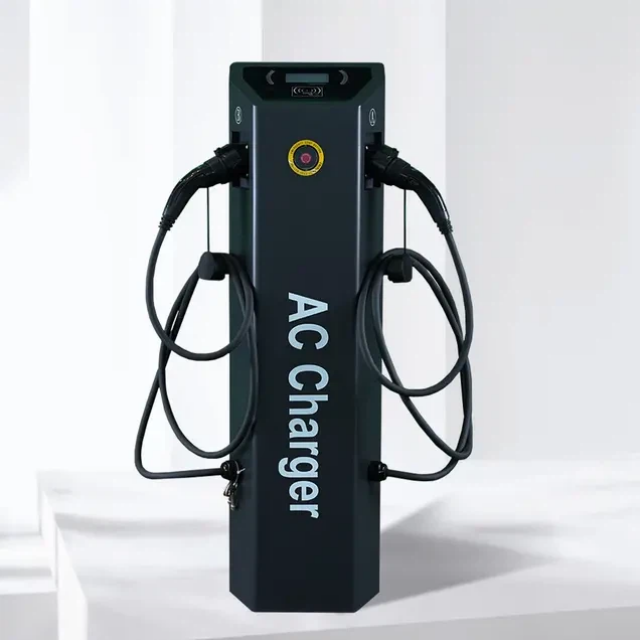
AC chargers are typically less expensive to install and are suitable for locations where customers may stay for several hours, such as shopping centers, restaurants, or other retail environments. These chargers provide slower charging speeds but are more cost-effective for retail businesses that expect customers to spend extended periods of time on-site.
DC chargers, on the other hand, provide much faster charging, allowing customers to charge their vehicles in a shorter amount of time. They are typically used for high-traffic locations, such as highway rest stops or fuel stations, where customers need to charge quickly while on the go. However, DC fast chargers come with a higher installation cost and require more advanced electrical infrastructure.
Retailers should choose the type of charger based on the average duration that customers spend at their location. If you expect customers to stay for an extended period, AC chargers may be sufficient. However, if your location attracts a lot of foot traffic and customers need fast charging, DC chargers are the better choice.
Consideration 3 — Site Layout and Parking Logistics
When planning the installation of EV charging stations, the layout of the site and the logistics of parking are crucial factors to consider. Proper placement of the charging stations is essential for maximizing their effectiveness and ensuring that they are easily accessible to all customers.
Location of Chargers and Accessibility
The location of your EV charging stations should be carefully chosen to ensure that they are convenient for your customers to use. Consider placing chargers near entrances, exits, or high-traffic areas where they are easy to access. Charging stations should also be clearly marked with signage to guide customers and avoid confusion.
Cable Management and Parking Design
Effective cable management is another important consideration. Make sure that the charging cables are long enough to reach vehicles without creating a tripping hazard or obstructing other parking spaces. Additionally, it’s essential to design the parking spaces around the charging stations in a way that accommodates multiple vehicles and allows for a smooth flow of traffic. Consider using designated parking spots for EV charging, ensuring that these spaces are not blocked by non-EV vehicles.
Consideration 4 — Electrical Infrastructure Readiness
Before installing EV charging infrastructure, it’s important to assess your current electrical infrastructure to ensure that it can support the additional load. EV charging stations require a significant amount of power, so it’s essential to evaluate your existing electrical capacity and determine whether upgrades are necessary.
Power Supply and Phases
Most EV charging stations require a dedicated power supply with a sufficient number of phases to handle the load. Ensure that your facility has the right electrical setup to accommodate the charging equipment. If necessary, work with an electrical contractor to upgrade your system to meet the requirements of the chargers.
Upgrade Costs
While electrical infrastructure upgrades are often necessary for EV charging stations, the cost of these upgrades can vary depending on the size of the installation and the existing electrical setup. It’s important to factor these costs into your overall budget to ensure that the installation process is smooth and cost-effective.
Consideration 5 — Safety, Reliability, and Durability
Safety, reliability, and durability are key considerations when choosing EV charging infrastructure. Retailers need charging stations that are built to withstand the demands of high usage, changing weather conditions, and constant operation.
Weather Protection and Durability
Since many retail locations will have outdoor EV charging stations, it’s important to choose chargers that are weather-resistant and built to last. AONENG's EV chargers feature an IP65 rating, meaning they are dustproof and waterproof, making them ideal for both indoor and outdoor use. This durability ensures that the chargers will perform reliably even in harsh environmental conditions.
Overload and Short-Circuit Protection
Safety features like overload protection, short-circuit protection, and emergency stop mechanisms are crucial to ensure that the EV charging stations are safe for use. AONENG’s chargers are designed with these safety features to prevent accidents and ensure safe charging for all users.
Consideration 6 — Operational Model and User Experience
Once the EV charging infrastructure is installed, it’s important to consider the operational model and the user experience. Providing a seamless, user-friendly charging experience will ensure that customers are satisfied and that the chargers are used effectively.
Payment Systems and Access Control
Many EV charging stations offer integrated payment systems that allow customers to pay for their charging session through mobile apps or credit card payments. It’s important to select chargers that offer easy-to-use payment options that cater to your customers' preferences. Additionally, ensure that there is a robust access control system to manage who can use the chargers and when.
User Interface and Service Uptime
A simple and intuitive user interface is essential for creating a positive charging experience for customers. Look for EV charging stations with easy-to-read screens, clear instructions, and minimal wait times. Ensuring that the charging stations are operational at all times is equally important. A maintenance plan should be in place to address any issues quickly, minimizing downtime and maximizing customer satisfaction.
Consideration 7 — Manufacturer & Partner Selection
Choosing the right manufacturer and partner for your EV charging infrastructure is crucial to ensuring the success of your installation. A reliable, experienced partner can help with everything from product selection to installation and ongoing support.
Why Choose a Brand with Patents, Certifications, and Full Support
Selecting a trusted brand with a strong track record of innovation and customer support is essential. AONENG, for example, has over 130 patents and global certifications for its EV chargers, ensuring that its products meet international standards for safety, reliability, and performance. Additionally, AONENG offers full-service support, including pre-sales guidance and post-installation assistance, to help retailers optimize their EV charging stations.
Conclusion
Installing EV charging infrastructure at your retail location is a smart investment that can boost customer loyalty, improve brand image, and enhance the overall customer experience. By carefully considering foot traffic, the right charger type, site logistics, electrical readiness, and safety features, retailers can ensure a smooth installation process and maximize the benefits of EV charging. With AONENG’s AC and DC chargers, you can provide reliable, efficient, and safe charging solutions for your customers. Contact us today to learn more about how our EV charging stations can enhance your retail location.
FAQ
1. How do I choose between AC and DC chargers for my retail location?
AC chargers are ideal for locations where customers stay for longer periods, while DC chargers provide faster charging for high-traffic locations. Consider your customer behavior and traffic patterns when deciding.
2. What are the main benefits of installing EV charging stations in retail locations?
EV charging stations attract more customers, increase dwell time, improve customer experience, and enhance your retail location's brand image as a sustainable and customer-friendly destination.
3. How do I ensure that my charging stations are weather-resistant?
Choose chargers with a high IP rating, such as AONENG’s IP65-rated chargers, which are waterproof and dustproof, ensuring reliable operation in all weather conditions.
4. What factors should I consider when choosing the right location for my EV chargers?
The chargers should be placed in high-traffic areas that are easily accessible, with clear signage, proper cable management, and enough space to accommodate multiple vehicles.


