If you're involved in developing or integrating EV charging infrastructure, understanding the Open Charge Point Protocol (OCPP) is essential. OCPP is a widely adopted communication protocol that ensures the interoperability of electric vehicle (EV) charging stations with various charging networks and management systems. In this article, we’ll dive deep into what OCPP is, how it works, and why it’s important for developers, charging network operators, and system integrators. Additionally, we’ll explain how AONENG's EV charging stations support OCPP-ready deployment, ensuring flexibility and seamless network integration.
What Is OCPP and Why It Matters
OCPP is an open-source communication protocol designed to enable communication between EV charging stations and central management systems. It allows EV chargers from different manufacturers to work together in a unified network, enabling operators to manage multiple chargers across different locations. The protocol plays a key role in ensuring the interoperability of charging infrastructure, making it easier for businesses to scale and maintain their charging networks.
Definition, History, and Role of the Open Charge Alliance
The Open Charge Point Protocol (OCPP) was created by the Open Charge Alliance (OCA), an international non-profit organization focused on the development of open standards for EV charging infrastructure. OCPP was first introduced in 2010 and has since become the most widely used protocol for EV charging station communication. It enables charging stations to communicate with central systems for monitoring, reporting, billing, and firmware updates, among other functions.
The Open Charge Alliance's goal is to support the widespread adoption of electric vehicles by ensuring that charging stations are interoperable, reliable, and scalable. As the global adoption of electric vehicles grows, the role of OCPP in providing open and accessible charging networks becomes increasingly important.
Benefits: Vendor-Neutrality and Interoperability
One of the main benefits of OCPP is its vendor-neutral nature. It allows EV charging stations from different manufacturers to communicate with the same central management system, regardless of the brand. This avoids vendor lock-in, which can be a significant barrier to scalability and network expansion. Operators can choose chargers from different manufacturers based on price, features, and performance, while still maintaining compatibility across their network.
Furthermore, OCPP supports a range of functionalities, such as remote monitoring, firmware updates, load balancing, and payment integration, making it a comprehensive solution for modern EV charging networks.
How OCPP Works in Practice
To better understand OCPP’s importance, it’s useful to look at how it works in practice. The protocol facilitates communication between EV charging stations and a central system that manages the chargers. This communication ensures that the chargers are functioning properly, users can pay for their sessions, and the system can perform essential tasks like firmware updates and diagnostics.
Communication Between Charge Point and Central Management System
In an OCPP-enabled system, the EV charging station acts as a “charge point” that communicates with the central management system (CMS). The CMS is responsible for managing multiple charging stations, monitoring their status, and performing administrative tasks. The OCPP protocol ensures that the communication between the charge point and CMS is standardized and secure.
This system enables operators to remotely monitor the performance of their charging stations, including aspects like energy consumption, faults, and availability. The CMS can also send commands to the charging stations, such as stopping or starting a charging session, adjusting charging rates, or scheduling maintenance tasks.
Versions of OCPP and Certification Process
OCPP has evolved over the years, with several versions offering new features and improvements. The most widely adopted versions are OCPP 1.5 and OCPP 2.0.1. OCPP 2.0.1 introduced advanced features like remote diagnostics, user authentication, and improved security protocols. The latest version, OCPP 2.0.1, is designed to meet the needs of modern charging networks, offering greater flexibility and enhanced functionality.
The certification process for OCPP ensures that both hardware and software are fully compliant with the protocol, providing a seamless experience for operators and users. Manufacturers must undergo testing and certification to ensure that their EV charging stations meet OCPP’s requirements and are compatible with the broader ecosystem.
Key Features and Use Cases
OCPP enables a range of features that are critical for the efficient operation of EV charging stations. These features help operators manage their networks, reduce operational costs, and enhance the user experience.
Remote Firmware Updates, Diagnostics, and Load Balancing
One of the key advantages of OCPP is the ability to perform remote firmware updates. This means that charging stations can receive updates without the need for physical intervention, ensuring that the system stays up-to-date with the latest features and security patches.
Diagnostics is another crucial feature enabled by OCPP. With the protocol, operators can remotely diagnose faults or issues with the EV charging stations, reducing the need for on-site visits and improving response times. This feature is essential for maintaining the uptime and reliability of charging networks.
Load balancing is another key use case for OCPP. As the number of EV charging stations increases, managing the load on the electrical grid becomes a concern. OCPP allows operators to implement load balancing strategies that optimize the distribution of power across the network, ensuring that each station operates efficiently without overloading the grid.
Payment Integration and Future-Proofing
OCPP also supports payment integration, allowing users to pay for their charging sessions via mobile apps, credit cards, or other methods. This seamless integration makes the user experience more convenient, while also providing operators with the ability to generate revenue and track usage data.
As the EV market continues to grow, EV charging stations need to be future-proofed to handle increased demand. OCPP provides the scalability necessary for network expansion, ensuring that charging infrastructure can grow alongside the number of electric vehicles on the road.
Why Manufacturers and Developers Should Care
Understanding OCPP is crucial for hardware vendors, developers, and network operators who are involved in the EV charging ecosystem. Here’s why OCPP matters to these stakeholders:
For Hardware Vendors: OCPP Compliance Opens Market Access
For hardware vendors, complying with OCPP allows them to offer products that can be integrated into a wide variety of networks, increasing their market reach. Charging stations that support OCPP are more likely to be adopted by network operators because of the protocol’s interoperability and flexibility.
By ensuring that their products are OCPP-compliant, hardware vendors can provide solutions that meet the needs of a diverse and growing market. This opens up opportunities for vendors to expand their customer base and gain a competitive edge in the evolving EV charging industry.
For Site Owners/Operators: Flexibility and Avoiding Vendor Lock-In
For site owners and operators, OCPP offers significant advantages in terms of flexibility and avoiding vendor lock-in. By adopting OCPP-compliant chargers, operators can mix and match equipment from different manufacturers, allowing them to choose the best solutions for their specific needs. This flexibility enables operators to create a charging network that is tailored to their operational requirements, while also minimizing risks associated with relying on a single vendor.
Furthermore, OCPP allows operators to future-proof their networks, ensuring that their charging stations can integrate with new technologies and expand as the demand for EV charging grows.
How Our EV Charging Stations Support OCPP-Ready Deployment
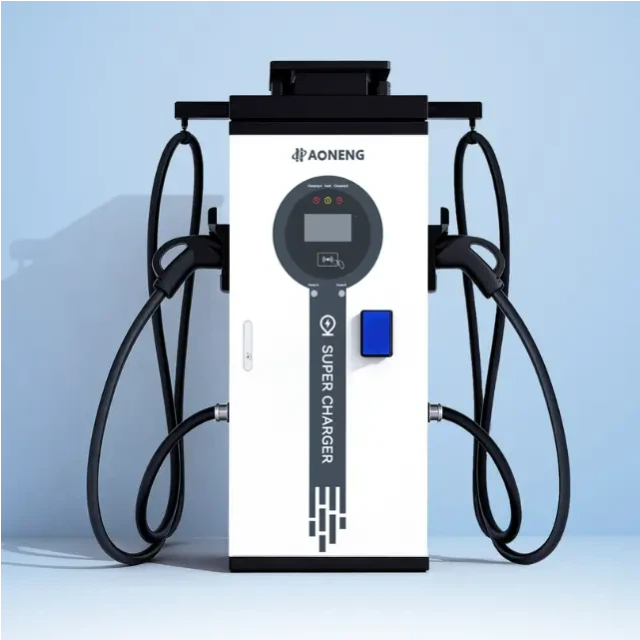
At AONENG, we understand the importance of OCPP in creating scalable, flexible, and future-proof EV charging infrastructure. Our AC and DC chargers are fully OCPP-compliant, ensuring that they can be easily integrated into a variety of networks and management systems.
Built-in Protocol Readiness
AONENG’s EV charging stations are designed with OCPP compatibility in mind. Our chargers are built to support multiple versions of the protocol, including OCPP 1.5 and OCPP 2.0.1, ensuring that they are ready to work in any network environment. With OCPP support, our chargers can be easily integrated with third-party charging management systems, providing seamless communication and management capabilities.
Customization for Network Integration
We offer customizable OEM and ODM solutions to meet the specific needs of network operators and developers. Our EV charging stations can be tailored to support custom configurations, branding, and integration with existing systems. Whether you're deploying a small network or scaling up to support thousands of chargers, AONENG's chargers are built to accommodate your requirements.
Multi-Brand Interoperability
With OCPP, AONENG's EV charging stations ensure multi-brand interoperability, making it easy for developers and operators to integrate our chargers with other equipment from different manufacturers. This flexibility allows you to create a diverse, efficient, and reliable charging network that can scale with future demands.
Conclusion
Understanding and leveraging OCPP is crucial for developers, charging network operators, and system integrators looking to deploy scalable, flexible EV charging infrastructure. With AONENG's OCPP-ready solutions, you can confidently deploy charging stations that integrate seamlessly into any network. Whether you need AC or DC chargers, our products provide the interoperability and scalability necessary for future-proof EV charging networks.
Contact AONENG today to learn more about our EV charging stations and how we can help you deploy robust, OCPP-compliant charging infrastructure for your projects.
FAQ
1. What is OCPP and why is it important for EV charging?
OCPP is a communication protocol that ensures interoperability between EV charging stations and central management systems, enabling flexible and scalable charging networks.
2. How does OCPP help avoid vendor lock-in?
OCPP allows operators to use EV charging stations from different manufacturers while maintaining compatibility with a central management system, reducing dependence on a single vendor.
3. What are the key features of OCPP-compliant chargers?
Key features include remote firmware updates, diagnostics, load balancing, payment integration, and the ability to scale the network as needed.
4. How does AONENG support OCPP-ready deployment?
AONENG’s EV charging stations are fully OCPP-compliant, offering customization for network integration and multi-brand interoperability to ensure seamless deployment and management.


