In today’s world, offering EV charging stations at multi-family properties is no longer just an optional amenity – it’s becoming a necessity. With the increasing number of electric vehicles on the road, tenants are actively seeking properties that offer convenient and accessible charging options. Having an EV charging station on-site can set your property apart from others, increase tenant satisfaction, and even boost the overall property value. However, selecting the right commercial EV charging station for your multi-family property requires careful consideration. This guide will help you choose the right charging solution that meets your tenants' needs and future-proofs your property.
Why EV Charging Stations Matter in Multi-Family Buildings
With the rapid adoption of electric vehicles, the demand for EV charging stations in residential areas is growing exponentially. Multi-family housing developers and property managers can benefit greatly from providing EV charging infrastructure as it directly addresses tenant needs while also contributing to the property's long-term value.
Demand from Tenants and Rising EV Adoption
As more people make the transition to electric vehicles, there is an increasing demand for charging options, especially among urban renters and multi-family housing residents. Many tenants with electric vehicles face challenges when it comes to charging their cars, particularly in apartment buildings or condominiums. Offering a commercial EV charging station addresses these challenges, allowing your tenants to charge their vehicles conveniently at home.
The growing demand for electric vehicle infrastructure reflects a broader societal shift toward sustainability, and more and more residents are looking for properties that offer eco-friendly features like EV charging stations. Property managers who provide this amenity can attract and retain environmentally-conscious tenants who value green living.
Property Value Uplift and Tenant Retention Benefits
Not only does installing EV charging stations enhance tenant satisfaction, but it can also increase the overall property value. According to studies, properties with EV charging stations can command higher rent rates and can be more attractive to prospective buyers. Additionally, by providing the convenience of in-building charging, property owners can retain current tenants longer, reducing turnover and vacancy rates.
Defining Your Needs and Usage Profile
Before you choose an EV charging station, it’s important to assess your property’s specific needs and determine the most suitable options based on the number of vehicles, the property layout, and the overall usage.
Assess the Number of EV-Capable Units and Parking Layout
The first step in selecting the right commercial EV charging stations is understanding how many tenants have electric vehicles and the parking layout of your property. If only a few tenants drive electric cars, installing one or two chargers might be sufficient. However, if you have a large number of residents with electric vehicles, you’ll need to install multiple chargers to meet the demand. The layout of the parking spaces also plays a role, as the placement of charging stations should allow for easy access for all users.
Decide Between Shared vs Dedicated Chargers
Another consideration is whether you’ll provide shared or dedicated chargers. Shared chargers are ideal for properties with fewer residents who own electric vehicles, as they allow multiple people to use the same charging unit. Dedicated chargers, on the other hand, are a better solution for properties with more tenants who own EVs, as each tenant will have access to their own charger. Both options come with different pricing structures and management needs, so consider your residents' preferences and the charging demands before making a decision.
Decide Between AC and DC Chargers
When selecting commercial EV charging stations, property owners must choose between AC (Alternating Current) and DC (Direct Current) chargers. AC chargers are the most common for residential use and are ideal for properties with slower but efficient charging needs, typically providing a full charge in about 4-8 hours. DC chargers, also known as fast chargers, provide much faster charging but are generally more expensive and require specialized electrical infrastructure.
For most multi-family properties, AC chargers will be sufficient unless you’re in an area with a high volume of EVs and need faster charging capabilities.
Key Selection Criteria for Commercial EV Charging Stations
Choosing the right commercial EV charging stations involves evaluating several key criteria to ensure that the chargers meet your needs and provide a reliable service for your tenants.
Power Output and Number of Ports
One of the most important factors to consider is the power output and the number of charging ports. Depending on how many tenants own electric vehicles and the amount of usage expected, you'll need to choose chargers that offer the appropriate power levels and support multiple ports. AC chargers are typically sufficient for residential buildings, but you may want to consider installing units with multiple ports to accommodate several vehicles at once.
Reliability and Certifications
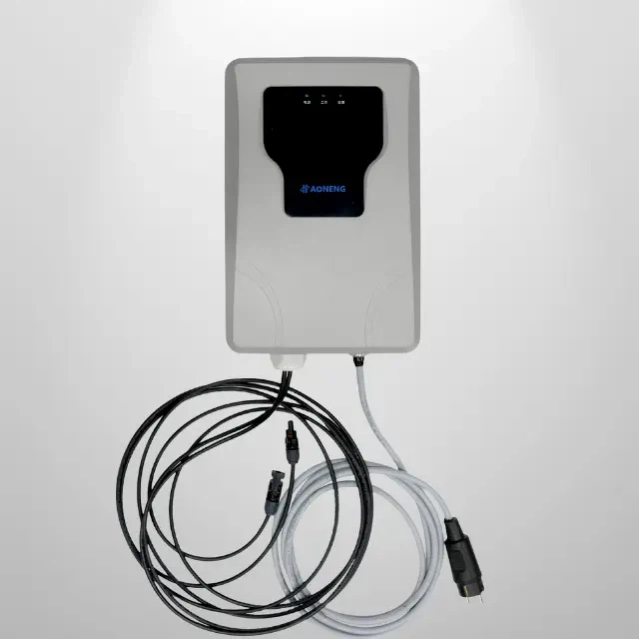
Reliability is key when selecting a commercial EV charging station. Look for chargers that are built to last, with proven durability and weather resistance. AONENG’s chargers, for example, come with an IP65 rating, meaning they are resistant to dust and water, making them suitable for outdoor installation. Additionally, check the certifications of the equipment. Certified products meet international safety standards, ensuring the station operates reliably and safely.
Compatibility and Interoperability
Make sure that the EV charging stations you select are compatible with a wide range of electric vehicle models and can integrate seamlessly with your existing infrastructure. Compatibility with different EV types and network protocols is crucial, especially if you plan to expand your charging capabilities in the future. AONENG’s chargers support a broad range of electric vehicle brands and models, making them a versatile option for multi-family properties.
Scalability and Future-Proofing: OEM/ODM Customization
As the demand for electric vehicle infrastructure continues to grow, scalability is an essential consideration. Choose an EV charging station that can grow with your property. Many manufacturers, like AONENG, offer OEM (Original Equipment Manufacturer) and ODM (Original Design Manufacturer) services, allowing you to customize your charging stations based on the future needs of your property. Whether you need to add more chargers or adjust the power output to accommodate a growing number of EVs, scalability ensures that your charging stations can meet future demands.
Installation & Deployment Considerations
Once you’ve selected the right commercial EV charging stations, the next step is installation. Proper installation is crucial to ensuring that the chargers function correctly and safely for years to come.
Electrical Infrastructure: Panel Capacity, Wiring, and Phases
Before installation, you’ll need to assess your property’s electrical infrastructure. EV charging stations require a dedicated circuit and adequate panel capacity to handle the additional load. A licensed electrician should evaluate your property’s electrical system to ensure that it can accommodate the new chargers. If necessary, they may need to upgrade the wiring or panel capacity to meet the requirements.
Logistics: Site Preparation, Conduit, and Parking Lot Layout
Proper site preparation is essential for ensuring that the chargers are installed in the most efficient locations. The installation team will need to consider factors such as parking layout, the best spots for mounting the chargers, and how the cables will be routed to avoid obstruction or damage. Proper conduit installation ensures that the cables are safely housed and protected from the elements.
Operational Factors: Billing, Access Control, and Maintenance
An EV charging station isn’t just about installation – it’s also about how it operates after installation. Consider how you’ll manage access to the chargers, including payment systems, user authentication, and billing. Many charging stations now come with integrated software that allows you to control and monitor usage remotely. Additionally, it’s important to plan for regular maintenance and repairs to ensure that your chargers continue to function reliably.
Why Partner with a Strong EV Charging Station Manufacturer
Partnering with a reputable manufacturer ensures that your commercial EV charging stations will provide long-term value and performance. Here’s why AONENG is a great choice for your multi-family property:
AONENG’s Credentials
As a leading manufacturer with over 130 patents and international certifications, AONENG provides high-quality EV charging stations designed for durability and safety. Our products are manufactured according to global standards, ensuring reliable performance across a range of electric vehicles and charging scenarios.
Full-Service Support
From pre-sales advice to post-installation assistance, AONENG provides full-service support. We assist in selecting the right charger for your property, guide you through the installation process, and offer ongoing support to ensure that your EV charging stations continue to operate smoothly.
Flexibility and Customization
AONENG offers a range of customizable options to meet the unique needs of your multi-family property. Whether you need specific power outputs or customized branding, we can tailor our chargers to fit your requirements. Our OEM and ODM services offer you the flexibility to create a solution that works best for your property.
Conclusion
Choosing the right EV charging station for your multi-family property can significantly enhance tenant satisfaction, increase property value, and future-proof your building for the growing demand of electric vehicles. With careful consideration of your property's needs, electrical infrastructure, and the scalability of the chargers, you can create a convenient and reliable charging solution for your tenants. Contact AONENG today to learn more about how our commercial EV charging stations can benefit your multi-family property and help you stay ahead of the curve.
FAQ
1. What are the benefits of installing EV charging stations in multi-family properties?
Installing EV charging stations in multi-family properties increases tenant satisfaction, improves property value, and ensures that your property is prepared for the growing number of electric vehicle owners.
2. How do I determine how many charging stations to install in my property?
Start by assessing the number of EV-capable units and the parking layout. Properties with more EVs will need more charging stations, and you may also need to consider whether shared or dedicated chargers are appropriate.
3. What is the difference between AC and DC chargers?
AC chargers are ideal for residential buildings and offer slower charging times. DC fast chargers provide faster charging but require more expensive infrastructure and are generally used for public charging stations.
4. How do I ensure that my charging stations are compatible with a range of electric vehicles?
Choose EV charging stations from manufacturers that offer compatibility with various EV models and network protocols. AONENG chargers support multiple EV brands and integrate seamlessly with existing infrastructure.


