With the increasing popularity of electric vehicles (EVs), more people are seeking ways to efficiently charge their cars at home or at business locations. One of the most efficient solutions is Level 2 charging, a step up from the slower Level 1 options that many owners may use initially. Level 2 EV charging stations provide faster, more reliable power and are a great investment for both homeowners and businesses looking to accommodate the rising demand for electric vehicle infrastructure. In this article, we’ll explore what Level 2 charging is, why it’s the ideal choice for your charging needs, and how to install and maintain a Level 2 EV charging station.
Understanding Level 2 Charging
Before diving into the installation process, it’s essential to understand what Level 2 charging is and how it differs from other charging options available. Level 2 charging stations offer significant improvements over the more basic Level 1 chargers, making them the ideal solution for both home and commercial installations.
Level 1 vs Level 2 vs DC Fast Charging
Level 1 chargers are the most basic type and typically work by plugging into a standard 120-volt household outlet. This means that charging times can be quite long, with a full charge taking up to 20 hours or more for most EVs. On the other hand, Level 2 chargers use a 240-volt outlet, similar to the kind used for larger appliances like dryers. This allows for faster charging times, generally between 4 to 8 hours, depending on the vehicle and the charger. DC Fast Charging stations, which operate at much higher voltages, are typically used for quick public charging and are not ideal for home use due to their high cost and installation complexity.
Typical Use Cases for Level 2 Charging
Level 2 chargers are versatile and can be used in a variety of settings. For homeowners, they’re perfect for overnight charging, allowing drivers to wake up to a fully charged vehicle. In workplace or commercial settings, EV charging stations can provide employees and customers with a convenient way to recharge during the day. Additionally, parking lots, shopping malls, and other public spaces are increasingly installing Level 2 chargers to accommodate the growing number of EV drivers.
Why Choose a Level 2 EV Charging Station for Your Location
Installing a Level 2 EV charging station offers numerous benefits, especially when compared to Level 1 charging solutions. Understanding these advantages can help you decide why Level 2 charging is the right choice for your home or business.
Benefits: Faster Charging
The primary benefit of Level 2 charging is the significantly reduced charging time. With a Level 2 charger, most EVs can be fully charged in approximately 4 to 8 hours, depending on battery size and charging conditions. This allows for much greater convenience, especially for users who rely on their vehicles daily. Whether you’re a homeowner needing overnight charging or a business owner looking to provide services for customers, faster charging times can make a big difference.
Future-Proofing: Accommodating Increasing EV Adoption
As the adoption of electric vehicles continues to rise, future-proofing your property with a Level 2 charger can help you stay ahead of the curve. The infrastructure for electric vehicles is expanding rapidly, and ensuring that you have EV charging stations in place will enhance the convenience for both current and future users. Moreover, it adds significant value to your property, whether residential or commercial.
The Advantage of a Quality Manufacturer
When choosing a Level 2 EV charging station, selecting a reputable manufacturer is crucial. A reliable manufacturer, such as AONENG, ensures that the equipment adheres to international standards, providing consistent performance, safety, and durability. AONENG’s AC chargers and DC chargers meet stringent global certifications, are IP65 rated for weather resistance, and come with multiple safety features like overload protection, short-circuit protection, leakage prevention, and emergency stop functionality. With over 130 patents, AONENG's products are designed for long-lasting performance in various EV charging scenarios.
Key Technical and Installation Considerations
Installing a Level 2 EV charging station requires some technical considerations to ensure that it functions properly and meets safety standards. Here are the key factors to keep in mind.
Electrical Requirements
Level 2 chargers require a 240-volt outlet, which is a standard requirement for this type of charging equipment. If your location doesn’t have a dedicated 240V outlet, you may need to upgrade your electrical system to accommodate the charger. The charger will also require a dedicated circuit with enough amperage to handle the power demands. A licensed electrician should handle the installation to ensure everything meets local electrical codes.
Location, Mounting, and Weather Protection
The installation location of the EV charging station is an important consideration. It should be positioned in a way that provides easy access to the vehicle’s charging port while avoiding any obstructions. Additionally, it’s essential to ensure that the unit is mounted securely and safely. AONENG’s EV chargers are IP65 rated, which means they are fully protected against dust and can withstand water exposure, making them suitable for both indoor and outdoor use.
Permits and Professional Installation
In many locations, you’ll need to obtain a permit to install a Level 2 EV charging station, especially if it involves electrical work. It’s recommended to hire a licensed professional to handle the installation to ensure that all necessary permits are obtained and that the installation is up to code. DIY installations are not recommended due to safety concerns.
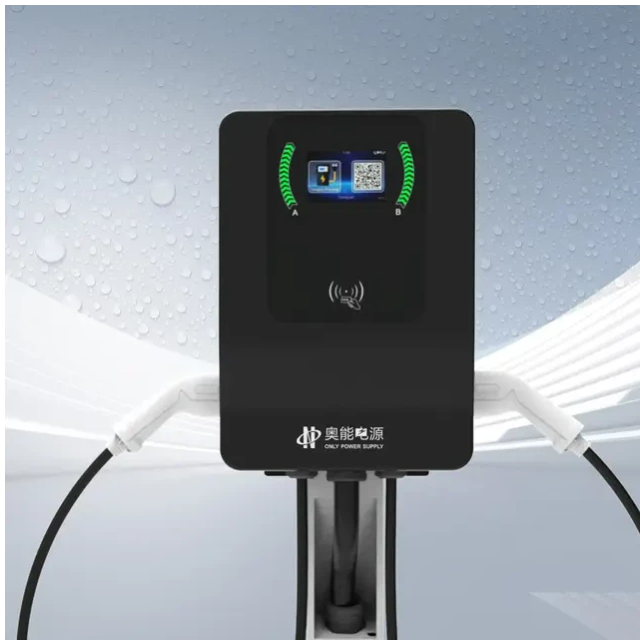
How Our AC Charger Solution Simplifies Installation
At AONENG, we aim to make the installation of EV charging stations as simple and straightforward as possible for our customers. Our AC chargers are designed with ease of installation in mind, offering flexible options for different locations and power requirements.
Manufacturer Credentials
AONENG has over 20 years of experience in the EV charging industry and is committed to providing high-quality products that meet international standards. With over 130 patents and multiple certifications, our EV chargers are trusted by customers around the world. Our manufacturing process adheres to strict quality control measures, ensuring reliable and safe products for all your charging needs.
Customizable OEM/ODM Solutions
We understand that different locations and businesses have unique needs. That’s why we offer customizable OEM/ODM solutions to cater to specific power requirements, branding preferences, and site conditions. Whether you need to install a single charger at your home or multiple chargers at a commercial site, AONENG can provide a solution tailored to your needs.
Safety Features
Safety is a top priority when it comes to EV charging stations. AONENG’s chargers feature multiple layers of protection, including overload protection, short-circuit protection, leakage protection, and surge protection. These features ensure that your equipment operates safely, even in challenging conditions. Additionally, all AONENG chargers include an emergency stop function for added peace of mind.
Best Practices After Installation
After your Level 2 EV charging station is installed, there are a few best practices to keep in mind to ensure optimal performance and longevity.
Regular Inspection and Firmware Updates
It’s essential to regularly inspect your charger for any signs of wear and tear. Periodic firmware updates may also be required to keep your charger functioning optimally. Many modern chargers, like those from AONENG, offer remote monitoring and diagnostic capabilities, which can help you identify any potential issues before they become problems.
User Guidance: Schedule Charging and Use Off-Peak Hours
Educating users on how to properly use the charging station can help maximize its efficiency. For example, users can schedule their charging sessions to occur during off-peak hours to take advantage of lower electricity rates.
Support & Service
AONENG is committed to offering exceptional customer support throughout the life cycle of your charger. From pre-sales guidance to post-purchase assistance, we are here to help with any questions or issues you may have regarding your EV charging station.
Conclusion
In summary, installing a Level 2 EV charging station is a smart investment for homeowners and businesses alike. By upgrading to Level 2 charging, you can significantly reduce charging time, accommodate the growing demand for electric vehicles, and future-proof your property. At AONENG, we offer high-quality, reliable charging solutions that are designed to meet international standards, with a focus on safety, flexibility, and ease of installation. Contact us today to learn more about our EV charging stations and how we can help you make the switch to electric.
FAQ
1. What is the difference between Level 1 and Level 2 charging?
Level 1 charging uses a standard 120-volt outlet and takes much longer to charge your vehicle compared to Level 2 charging, which uses a 240-volt outlet for faster charging times.
2. Can I install a Level 2 charging station at my home?
Yes, a Level 2 charging station can be installed at home, but it requires a dedicated 240-volt circuit. It's recommended to hire a licensed electrician for the installation.
3. What are the benefits of choosing a Level 2 EV charging station for my business?
Level 2 chargers provide faster charging times, making them ideal for businesses looking to offer charging services to customers. They are also a good investment to accommodate the growing demand for electric vehicle infrastructure.
4. Are AONENG's EV chargers safe to use outdoors?
Yes, AONENG’s EV charging stations are IP65 rated, meaning they are dustproof and waterproof, making them suitable for both indoor and outdoor use.


